Category Archives: commoditification

Rejuvenating Sri Lanka’s Economy: The BCC Path

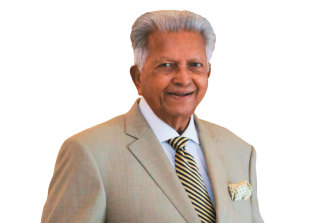
Vagisha Gunasekara, in lsland, 27 July 2020, where the title runs “Breathing new life into domestic production: BCC’s plan for the next hundred years”

The need to turn the current economic crisis that was pushed off the edge by the COVID-19 pandemic into an opportunity to reconfigure national economies is the topic of many policy discussions, both in Sri Lanka and elsewhere.

Continue reading

Leave a comment

Filed under accountability, biotechnology, centre-periphery relations, commoditification, economic processes, education, foreign policy, governance, historical interpretation, Indian Ocean politics, island economy, life stories, modernity & modernization, performance, politIcal discourse, self-reflexivity, sri lankan society, world events & processes

A Chinese Lankan Aussie Chef stimulates Appetites in Darwin

News Item in Daily News, 11 July 2020, with this title  “A serendipitous taste of SL, China and Australia”

The celebrity chef turned television presenter originally from Sri Lanka now making waves in Darwin gives Jordan Kretchmer of Gourmet Traveller a taste of the Top End and shares his love of rare seafood delicacies.

Continue reading

1 Comment

Filed under Australian culture, australian media, China and Chinese influences, commoditification, cultural transmission, economic processes, education, ethnicity, heritage, life stories, travelogue, unusual people, world events & processes

Andrew Fernando’s ‘Innings’ runs away with the Gratiaen Prize for 2020

Dimitri Wijesinghe, in The Morning.lk, 5 July 2020, where the title reads “Andrew Fidel Fernando 2019 Gratiaen Prize Winner”

Andrew Fidel Fernando was awarded the 2019 Gratiaen Prize for literary excellence for his work, the travelogue titledUpon a Sleepless Isle’

The Gratiaen Trust went digital for the 2019 edition of the awards and things kicked off with the live stream at 6.30 PM on July 4, streamed on the official Facebook pages of the Gratiaen Trust, John Keells Foundation, and their media partner.

Continue reading

Leave a comment

Filed under art & allure bewitching, citizen journalism, commoditification, cultural transmission, heritage, historical interpretation, landscape wondrous, life stories, politIcal discourse, self-reflexivity, sri lankan society, the imaginary and the real, tolerance, tourism, trauma, travelogue, unusual people, world events & processes

Danger for Mannar: Anxiety Aroused by Australian Sand-Mining Project

in Daily Mirror25 June 2020, where the title reads “Red Alert on Manna Mineral Extraction Project” ………….. Australian Company had acquired land in December 2018 and March 2020

As a popular tourist attraction in the country, Mannar boasts of a rich cultural heritage dating back to the Portuguese, Dutch and British periods. Dotted with palmyra trees and a scenic stretch of the Northern coastal belt, it is a popular destination for nature lovers as well.  During the flamingo season, the pink, red or orange feathered visitors frequent Mannar’s wetlands till the end of March.

Continue reading

2 Comments

Filed under accountability, centre-periphery relations, commoditification, economic processes, heritage, Indian Ocean politics, island economy, landscape wondrous, legal issues, life stories, politIcal discourse, power politics, self-reflexivity, sri lankan society, tourism, transport and communications, unusual people, welfare & philanthophy, wild life, working class conditions, world events & processes

A Voyage into the National Archives via Experienced Hands Speaking on You Tube

ABSORB THIS https://www.youtube.com/watch?v=Qz6zMy9Hf1U&t=924s​

ජාතික ලේඛනාගාරයේ විකාශය හා වටිනාකම 22 June 2020

වර්ෂ 2017 දෙසැම්බර් මස ජාතික ලේඛනාගාරයේ වාචික ඉතිහාසය සුරැකීමේ වැඩසටහන යටතේ, පර්යේෂකයන් සහ ජාතික ලේඛනාරක්ෂක දෙපාර්තමේන්තුවේ විශ්‍රාමික නිලධාරීන් පිරිසකගේ අත්දැකීම්, පටිගත කරන ලදී. ඒ ඇසුරින් ජාතික ලේඛනාගාරයේ විකාශය සහ එහි වැදගත්කම, ලන්දේසි, බ්‍රිතාන්‍ය සහ නිදහසින් පසු කාල වකවානුවල රාජ්‍ය ලේඛන සහ වෙනත් ලේඛන එකතූන් එනම්, පුවත්පත් එකතූව හා ශ්‍රව්‍ය දෘශ්‍ය ලේඛන, අධිලේඛන පරිශීලනය කළ යුතු ආකාරය, අනාගතයේ දී නව තාක්ෂණය තුළින් ලේඛනාගාරය වෙනස් විය යුතු ආකාරය පිළිබඳ ඔබට ඉතා වැදගත් අදහස් ඇතුළත් සංක්ෂිප්ත වාර්තා වැඩසටහනක් ඉදිරිපත් කරන ලදී….. VIZ  = The Development and Worth of the Department of National Archives

Continue reading

1 Comment

Filed under accountability, ancient civilisations, British imperialism, Buddhism, caste issues, commoditification, communal relations, constitutional amendments, cultural transmission, education, evolution of languages(s), heritage, historical interpretation, immigration, Indian Ocean politics, Indian religions, insurrections, island economy, Kandyan kingdom, land policies, language policies, life stories, literary achievements, modernity & modernization, nationalism, power politics, self-reflexivity, Sinhala-Tamil Relations, sri lankan society, the imaginary and the real, unusual people, welfare & philanthophy, world events & processes

Straight Lefts from the Dilmah Tea Missionary Merrill Fernando

Benjamin Law, in The Age, 13 June 2020, with this title “Tea mogul Merrill J. Fernando: ‘I owe everything to Australian consumers’.”

Each week, Benjamin Law asks public figures to discuss the subjects we’re told to keep private by getting them to roll a die. The numbers they land on are the topics they’re given. This week he talks to Merrill J. Fernando. After high school, this businessman was one of the first local people in the then British colony of Ceylon to train as a tea-taster in London. At age 58, he launched his own brand of tea, Dilmah, in Australia. He is now 90.

Merrill J. Fernando: "We have a family charter which says not a single share in Dilmah tea can be sold outside the family. We have had offers, but our business is not for sale. Never."
Merrill J. Fernando: “We have a family charter which says not a single share in Dilmah tea can be sold outside the family. We have had offers, but our business is not for sale. Never.”CREDIT:MEDIA SERVICES, SRI LANKA

Continue reading

2 Comments

Filed under accountability, australian media, British colonialism, centre-periphery relations, charitable outreach, commoditification, cultural transmission, economic processes, ethnicity, heritage, historical interpretation, life stories, politIcal discourse, religiosity, self-reflexivity, sri lankan society, travelogue, unusual people, welfare & philanthophy, world events & processes

On Kandy. For Kandy.

Gerald H Peiris’s New Book: PLANNING FOR THE FUTURE OF KANDY …. a monograph

2. Cover image ….. 

Kandy 1

Kandy is considered the epitome of Sri Lanka’s civilisational heritage, both as a supremely venerated sanctum in the world of Thēravāda Buddhism as well as from perspectives of harmonious multiculturalism evident in its demographic, structural and functional characteristics…..

Continue reading

1 Comment

Filed under accountability, architects & architecture, Buddhism, commoditification, cultural transmission, economic processes, education, heritage, historical interpretation, island economy, Kandyan kingdom, landscape wondrous, legal issues, life stories, plural society, politIcal discourse, population, religiosity, self-reflexivity, sri lankan society, tourism, transport and communications, welfare & philanthophy, working class conditions

Portuguese Imprints in Sri Lankan Culture

 Dr Shihan de Silva Jayasuriya, in The Island April 25, 2020, Tracing the Portuguese Cultural Imprint on Sri Lanka”

Way back in 1998, I theorised on the extent of Lusitanisation in Sri Lanka, in my paper entitled The Portuguese Cultural Imprint on Sri Lanka, published in Lusotopie (Journal of Sorbonne, Paris), de Silva Jayasuriya (2000):  “The Portuguese era marked the end of medieval Sri Lanka and the beginning of modern Sri Lanka. It changed the island’s orientation away from India and gave it a unique identity moulded by almost 450 years of Western influence due to the presence of three successive European powers: the Portuguese (1505-1658), the Dutch (1658-1796) and the British (1796-1948). The Portuguese cultural imprint can be analyzed by examining: (a) those who claim Portuguese descent (the Portuguese Burghers), (b) those who do not claim Portuguese descent but who follow the Roman Catholic faith, (c) those who are neither of Portuguese descent nor follow the Catholic faith but nevertheless underwent a sociocultural transformation. Language is a necessary element in the set of culture. The other elements are subjective and could include religion, food, dress, music and dance.

Continue reading

1 Comment

Filed under centre-periphery relations, commoditification, cultural transmission, island economy, landscape wondrous, life stories, Portuguese in Indian Ocean, self-reflexivity, sri lankan society, travelogue, world events & processes

The Amazing Treasures of Leyn Baan Street in the Fort of Galle

Juliet Coombe, in Ceylon Digest,  19 December 2019,where the title is  “Galle Fort’s hidden treasure Leyn Baan”

  The Fort from the air showing the magnificence of the old city

Continue reading

Leave a comment

Filed under art & allure bewitching, commoditification, cultural transmission, economic processes, heritage, historical interpretation, island economy, landscape wondrous, life stories, Muslims in Lanka, patriotism, performance, self-reflexivity, tolerance, travelogue, unusual people, welfare & philanthophy, working class conditions, world events & processes

China’s BRI is a Multi-Polar Win-Win Trading Network

Peter Koenig, in Information Clearing House where the title reads “China–The Belt and road Initiative = The Bridge that spans the world” … at https://www.globalresearch.ca/china-belt-road-initiative-bridge-spans-world/5695727

The Belt and Road Initiative (BRI), also called the New Silk Road, is based on a 2,100-year-old trade route between the Middle East and Eastern Asia, called the Silk Road. It wound its ways across the huge landmass Eurasia to the most eastern parts of China. It favored trading based on the Taoist philosophy of harmony and peaceful coexistence – trading in the original sense of the term, an exchange with “win-win” outcomes, both partners benefitting equally. Continue reading

2 Comments

Filed under Afghanistan, authoritarian regimes, centre-periphery relations, China and Chinese influences, commoditification, cultural transmission, economic processes, education, energy resources, foreign policy, governance, historical interpretation, Indian Ocean politics, island economy, landscape wondrous, modernity & modernization, politIcal discourse, power politics, propaganda, security, self-reflexivity, the imaginary and the real, transport and communications, welfare & philanthophy, world events & processes