
Rex Clementine in The Island,
Parliamentarian Namal Rajapaksa has taken to social media to criticise the government over Sri Lanka supposedly missing out on hosting the inaugural Women’s Champions Trophy, scheduled for next year. The former Sports Minister has been shedding crocodile tears, bemoaning the politicisation of sport in Sri Lanka.
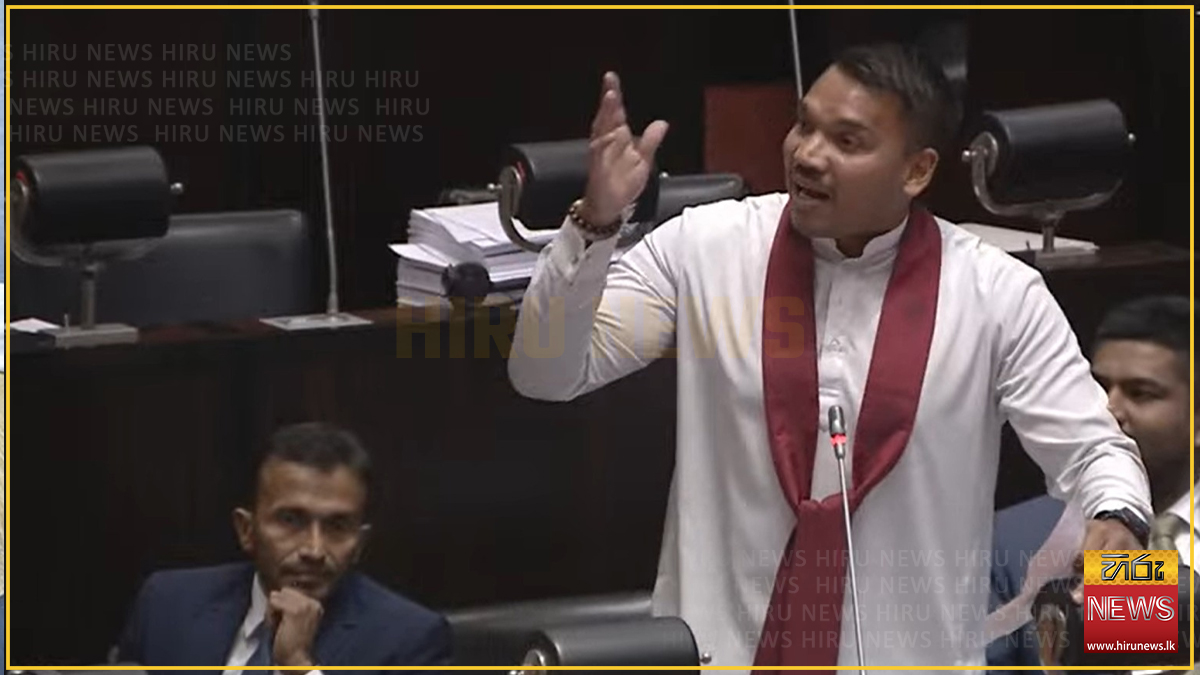 Coming from Namal, that is quite something.

Namal is a lawyer by profession. Those who practise law are generally expected to do their homework before presenting a case. When MP Rajapaksa shoots from the hip like this, however, one is entitled to wonder about that much celebrated law degree. This, after all, is a man who reportedly passed his law examinations with flying colours. A little fact checking, therefore, should hardly be beyond him.
The ICC does not recognise government appointed interim committees and does not permit countries operating under such arrangements to host ICC events. But to claim that Sri Lanka has already been stripped of the Women’s Champions Trophy is both premature and inaccurate. If the host nation is to be changed, that decision is expected at the next ICC Board meeting in November. By that time, SLC should be ready for fresh elections.
Nor is it correct to suggest that Sri Lanka will miss out on participating in the tournament. Ranked sixth in the world, Sri Lanka remain very much in contention to play, with the qualification criteria comprising the top five ranked teams plus the hosts. So, even if India were to host the tournament, Sri Lanka would still be part of the competition.
It appears politician Rajapaksa is fishing in troubled waters. Unfortunately, he seems to have forgotten to check whether there are any fish.
The less said about the disasters that befell Sri Lankan sports when the Rajapaksas were running the country, the kinder we would be to Namal.
Sri Lanka were the designated hosts of the Men’s Asia Cup in 2022. Back to back India versus Pakistan games in Colombo would have been a tremendous shot in the arm for the economy, with supporters from around the world descending on the island for one of cricket’s greatest spectacles.
There was one small problem: Namal’s uncles had helped run the country’s petrol pumps dry.
With fuel not freely available and the country engulfed in an economic crisis, the Asian Cricket Council shifted the tournament to the UAE. Curiously, there were no crocodile tears then. Namal’s social media account appeared to have misplaced its outrage.
Now he lectures the country about politicising sport.
To this government’s credit, it has largely refrained from interfering with the affairs of the cricket administration or team selection. Take the recent selection of Niroshan Dickwella. Many Sri Lankan supporters disagreed with it, including people sympathetic to the government. Yet there was no ministerial intervention. During Namal’s father’s regime, Sports Ministers could change selection committees almost overnight.
It is also worth recalling that when President Chandrika Kumaratunga appointed the first three Interim Committees, she turned to respected figures such as Rienzie Wijetilleke, Hemaka Amarasuriya and Vijaya Malalasekara.
Mahinda Rajapaksa did not spare cricket from political patronage either. His appointees to Cricket Interim Committees included family members, individuals who had lost cricket elections and others close to the political establishment.
Namal may point out that his father also appointed a reputed former cricketer to head an Interim Committee in 2010. Quite correct. But Mahinda Rajapaksa, the shrewd politician that he was, usually had another card up his sleeve. His dream of an international cricket stadium in his electorate soon became reality.
Sport became so politicised during the Mahinda Rajapaksa administration that even club elections were not immune. Those who doubt it can ask what happened at Colts Cricket Club, where respected officials stepped aside amid fears of crossing uncle Gota.
Sports officials were not alone. The media had their share too. Photographers covering the Rajapaksa boys playing at the Welisara Navy camp were harassed. On one occasion, a reporter was assaulted by Navy personnel.
Then there was television.
A television station linked to the Rajapaksa family telecast international cricket after a Cabinet decision concerning broadcasting rights was altered. Cricket was a cash cow. While state television struggled financially, the Rajapaksa boys were hardly complaining about political interference in sport.
And now Namal cries foul, accusing this government of politicising cricket.
His father appointed more Interim Committees than any other President. Even when elections were held, allegations of manipulation and political interference were rife. For years, Sri Lankan cricket suffered under administrators whose greatest qualification was often not what they knew about cricket, but whom they knew in politics.
That is why Namal Rajapaksa lecturing anyone about political interference in sport is rather like an arsonist complaining about the smell of smoke.
This government took on a cricket establishment that many had feared touching. There were warnings from the outset that reform would bring turbulence. So far, the authorities have managed to minimise those jolts. They should now be allowed to finish what they started. More strength to NPP and comrade AKD.
&&&&&&&&&&&&&&&&&&
NOTE .....https://island.lk/namals-faux-pas-2/


