Vinod Moonesinghe, in an original essay bearing the title “Agricultural nation, a myth?” ……… … now reproduced with a different title and with highlIghting imposed by The Editor, ThuppaHI
“The past is a foreign country; they do things differently there.” — L.P. Hartley, The go-between
Recent shortages of milk powder, wheat flour and even rice have brought into perspective Sri Lanka’s lack of food security. The situation has been exacerbated by growing dependence on imports of wheat – which rose from half a million tonnes in 1980 to nearly 1.5 million tonnes in 2020. This lack of food security has re-kindled an argument about the role of agriculture in Sri Lanka’s economy, which has extended into the realms of historiography.
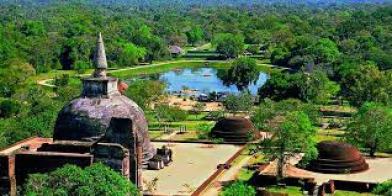
When former secretary general of UNCTAD Gamini Corea wrote “Sri Lanka has always been predominantly an agricultural economy since ancient times,” he reflected historical orthodoxy. However, a revisionist historical school has emerged, holding that this view of Sri Lanka, as an agricultural country, the granary of the East, reflects a myth. For example, Former Central Bank deputy governor WA Wijewardena says that “A widely-held view by many Sri Lankans is that Sri Lanka was an agriculture-based economy in the past and it should be so even in the future. The first part of this argument is only half-true.”He thinks that in the ancient past, Sri Lanka had an “open economy”, in which trade occupied as important a place as agriculture.
Continue reading →