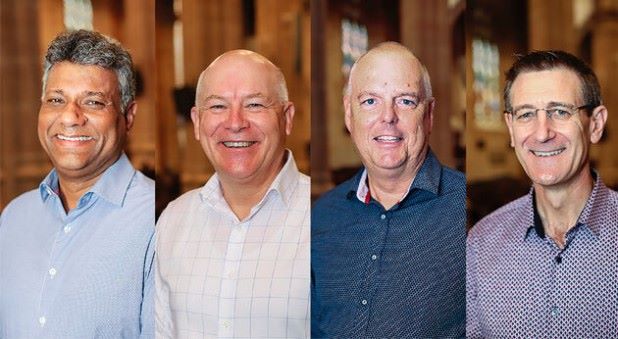
Anoma Pieris** with an introductory note in response to my invitation that is pertinent & runs thus “Hello Uncle Michael, Nice to hear from you. Afraid you reach me at a time when I am overwhelmed with work, in fact that has been the case throughout the pandemic. I dont know if I have the mental space to address your text but offer instead reflection on my understanding of the theme. Best, Anoma.”

My childhood sensibilities of being Sinhala were formed in two ways which were moral and monstrous: (1) First by being educated in a language stream with specific texts like the Guttila Kavya, Saddharma Ratnavaliya, Ummaga Jatakaya, which being religious texts, educated even a nominally Christian child in a missionary college into Sinhala Buddhist forms of cultural patrimony and morality. But because it was a Christian school the lines between Sinhala and Tamil classes were lightly drawn and we came together for sports activities, and after 1983 for many more subjects, partly due to the depletion of numbers but also a deliberate strategy initiated by our principal Sirancee Gunawardana, who was committed to empathetic coexistence. (2) The second way in which being Sinhala was made evident to me was through the 1983 pogrom when for a short time I volunteered in the camp set up in our school, seeing people like myself from my social background who had been displaced, dispossessed and fearful and witnessing and being made aware of Sinhala identification as behind monstrous acts. It also made me aware that I was part of a Christian minority and that a division was being drawn within the Sinhala community because of our greater empathy for Tamil friends.