
Navigator of Pearl and Persian Currents ... with highlighting being the imposition of The Editor, Thuppahi
Interventions, meant to stabilize, often alienate all parties, and can lead to prolonged, difficult conflicts where the intervening force finds itself fighting against former allies. By 1989, both the Sri Lankan government and the LTTE turned against the IPKF, with Colombo even providing weapons to the Tigers to hasten India’s departure. This serves as a warning for 2026, where perceived state aggression could turn local populations against foreign “stabilisers”. It also serves as a lesson for Sri Lanka in an age where Western powers never seem to learn the lessons of the past.
I am not a knowledgeable Sri Lankan. I am an outsider. But here is my take*++* for what it is worth.
The assassination of the 86-year-old Khamenei, a man nearing the end of his life, was a complete error of judgment, a display of cognitive dissonance, and the most foolish, dangerous act of any US leader. It has set the Muslim world on fire during the holy month of Ramadan, an act that will have consequences for the world for decades.
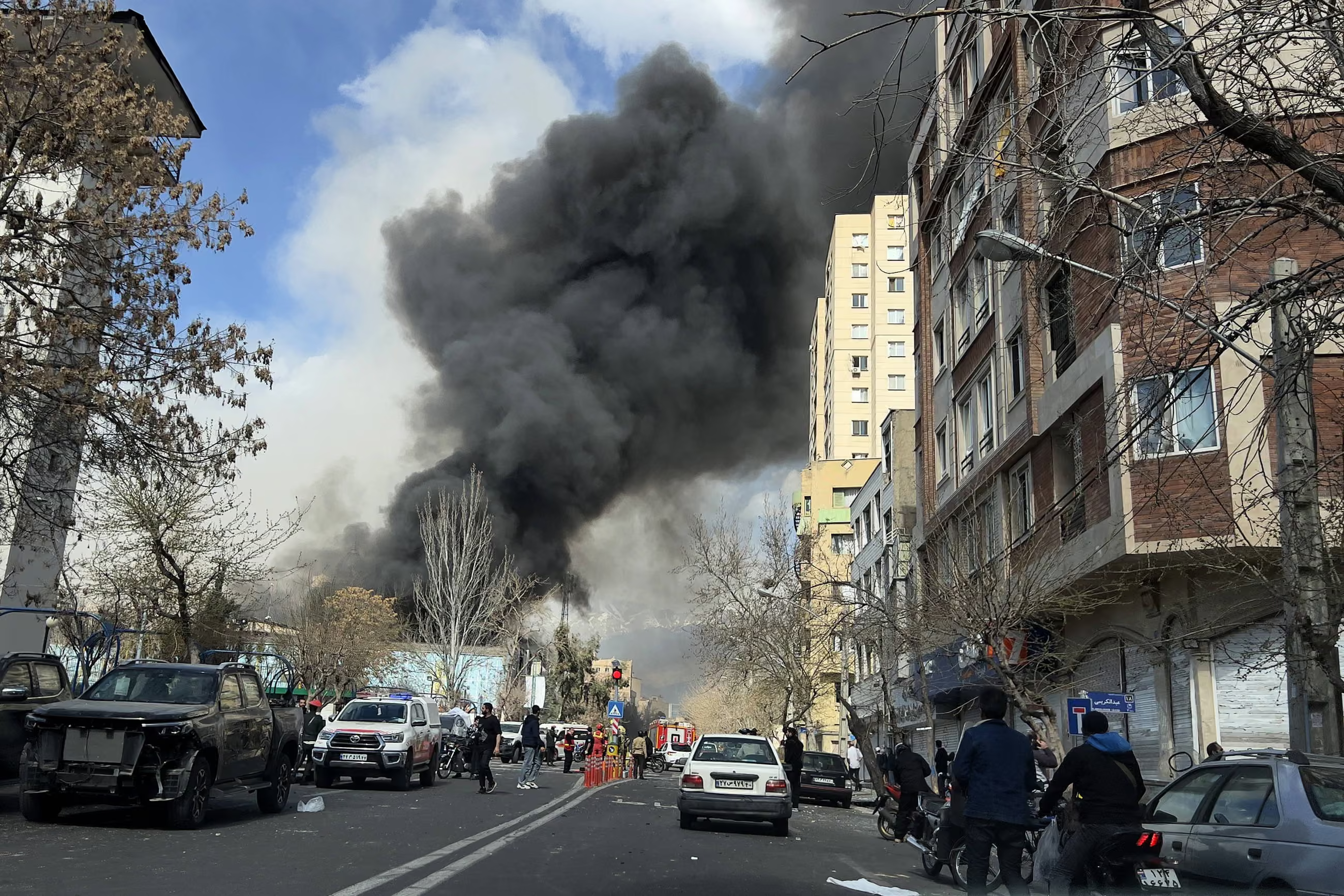
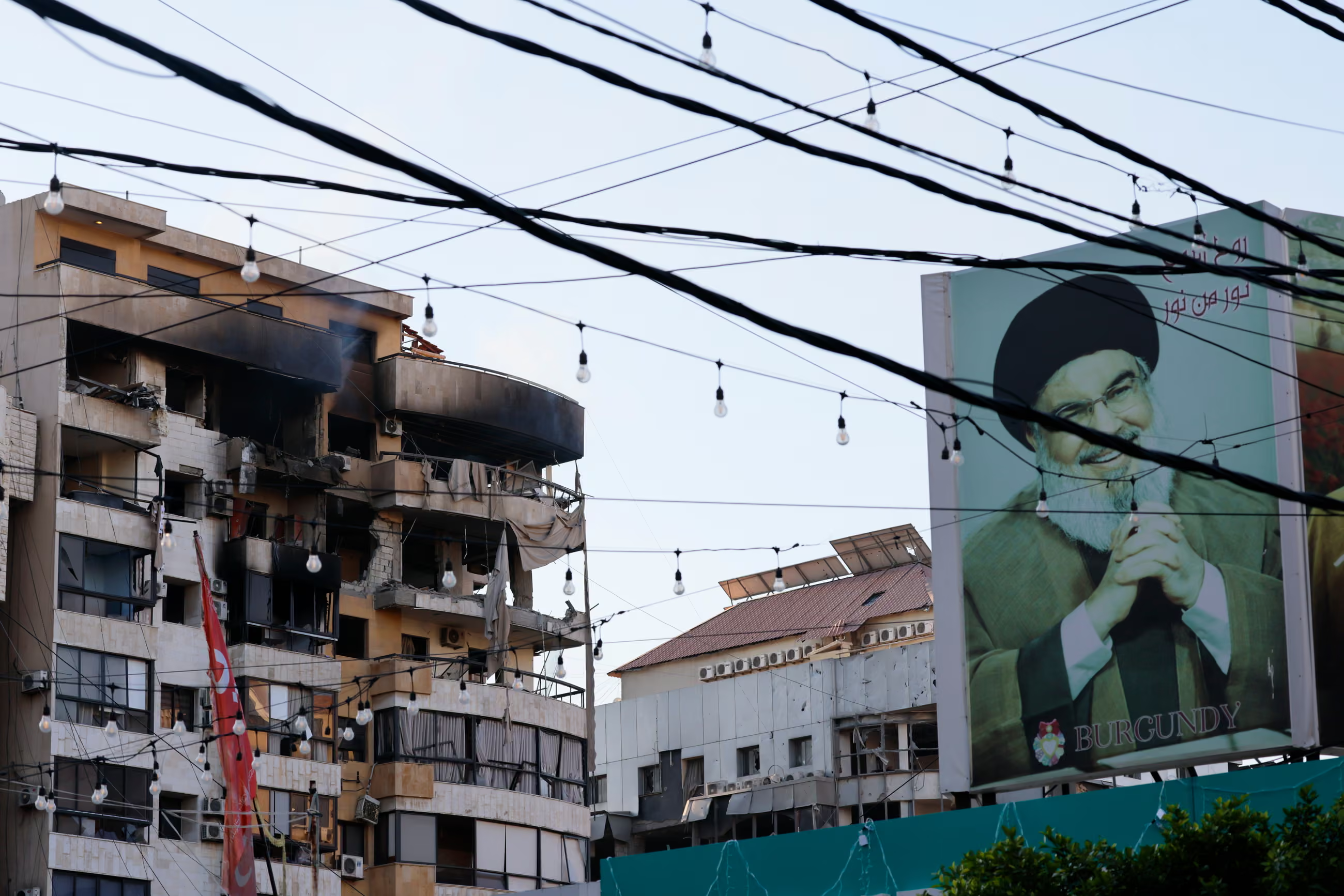
While Western narratives often characterise Khamenei through a lens of demonisation, those that knew him describe him as a humble modest figure of resistance against foreign hegemony. The subsequent calls for regime change by Western leaders, including Australian Prime Minister Anthony Albanese, are an invitation for reciprocal “blowback,” potentially manifesting in global economic volatility and intensified asymmetric warfare.
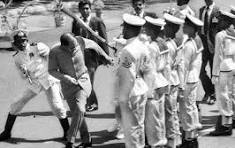
This contemporary crisis mirrors the failures of India’s 1987 intervention in Sri Lanka. On 30 July 1987, Indian Prime Minister Rajiv Gandhi was assaulted by Vijitha Rohana Wijemuni, a 21-year-old Sri Lankan naval rating, during a ceremonial guard of honour. Driven by nationalist resentment toward the Indo-Sri Lanka Accord, Wijemuni struck Gandhi with a Lee-Enfield rifle, causing non-fatal injuries to his neck and shoulder. Although court-martialled and sentenced to six years for culpable homicide, Wijemuni served only two and a half years before receiving a presidential pardon from Ranasinghe Premadasa in 1990.
The Indian government viewed this leniency as an intentional under-prosecution and a calculated political manoeuvre to appease Sinhalese nationalists. The resulting diplomatic friction underscored a fundamental truth of foreign intervention:tactical military actions often generate domestic consolidation and nationalist blowback rather than political dissolution.
Ultimately, both the 1987 Indian intervention and the 2026 strikes against Iran illustrate the risks of overextension. Just as the Indian Peace Keeping Force (IPKF) was eventually forced into a costly withdrawal, current interventions in West Asia face similar scrutiny. This comparison suggests that indigenous governance and diplomatic engagement are more sustainable pathways to regional stability than external military pressure, which frequently overlooks the long-term consequences of “blowback.”
PS:

