
under the tite The Nitty Gritty of ‘Moving On’: National Reconciliation Unit in http://www.nation.lk/2011/12/18/na2_4.htm
Even as the world focused on what the LLRC (Lessons Learnt and Reconciliation Commission) would produce after months of hearings, President Mahinda Rajapaksa set up a ‘National Reconciliation Unit’ to facilitate the work of his Adviser on Reconciliation. All these in addition to the natural processes of reconciliation that the end of conflict engenders, boosted of course by concrete policies to put in place necessary infrastructure, resettle the displaced, clear landmines and reinvigorate economic activity, not to mention the rehabilitation and reintegration of thousands of ex-combatants – a practice unheard of in many parts of the world when it comes to people affiliated with terrorist organisations. The Advisor’s terms of reference included monitoring and reporting to the President on progress with regard to the Interim Recommendations of the LLRC, and promoting appropriate activities for this purpose through the relevant Ministries.
‘The Nation’ spoke with Pushpi Weerakoon, Coordinator of the Unit, on the mandate, work and challenges of this body.
 Q: Could you elaborate on the power, authority and capacity of the unit?
The Office has no powers or executive authority. Apart from two minor staff, it has only an IT officer. MP’s secretary and office aide also contribute. However, much support is provided by members of the Reconciliation Youth Forum that comprises committed youngsters worked in the North and East in related activity developing initiatives and record achievements.
In addition to the Reconciliation website, http://www.peaceinsrilanka.org, we have started a blog – http://www.reconciliationyouthforum.org – and a You Tube channel – http://www.youtube.com/reconcilesri Lanka. You can also follow us on twitter @rcncilesrilanka and on Facebook on Sri Lankan Reconciliation Youth Forum.
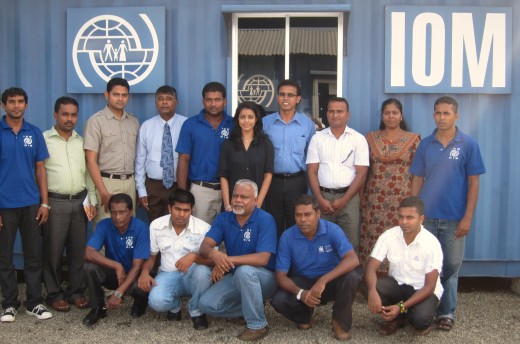
Other initiatives include Civil Society Partners for Reconciliation which brings together relevant government organisations with civil society and ambassadors and non-governmental organisations (Rotary, Save the Children etc) to suggest initiatives. This has led to a 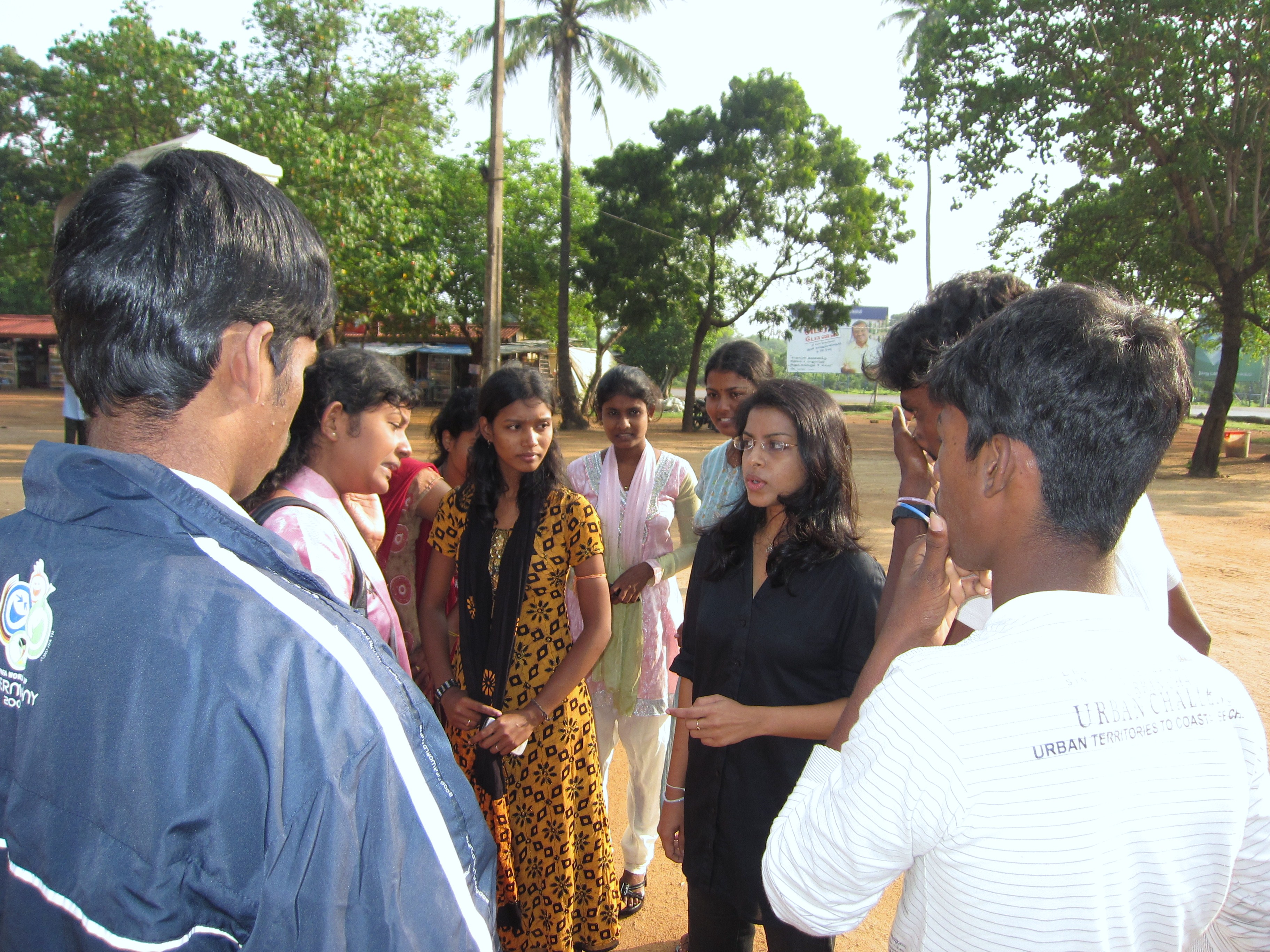 project in sustainable agriculture to support ex-combatants. We hope that Japanwould support it through IOM. In addition, a proposal for vocational training in Mullaitivu with socialisation and soft skills on the lines of the programmes Aide et Action is now being materialised in Vavuniya.
We have also set up a body called Religion, Education and Pluralism to develop educational initiatives as suggested when the Adviser was appointed, and feel this is particularly important in view of the vision advanced by the President in his budget speech. Based on recommendations of some of these groups, we have set up District Reconciliation Committees in three Northern Districts and hope to do the same in the other two as well. We had productive input from the local officials who attended about problems and possible solutions with the police. Some committed social workers also actively contribute. Continue reading


