Category Archives: Rajiv Gandhi

India’s ‘Rotten Diplomacy’ in Sri Lanka Breeds Loathing in Lanka

Samanthi Subramanium in New York Times …. http://india.blogs.nytimes.com/2013/03/25/indias-rotten-diplomacy-in-sri-lanka-breeds-loathing/imes

stop Sri lankaAs a rule, living in Sri Lanka means encountering some of the friendliest people on earth. But since the civil war ended in 2009, it must be said, there is a startlingly consistent loathing for India, and a doubled such loathing for Tamils from India. This manifests all in the abstract, for the most part, but it is there nonetheless. Among other reasons, the Sinhalese are angry with India for funding and training the Tamil Tigers in their infancy, helping them become the monsters they became, and it is difficult to argue this point. The Tamils are angry with India for not intervening more decisively in the waning weeks of the war, to help stop the civilian carnage that occurred – and it is difficult to argue this point also. Continue reading

Leave a comment

Filed under accountability, cultural transmission, disparagement, ethnicity, Indian Ocean politics, life stories, LTTE, politIcal discourse, power politics, Rajapaksa regime, Rajiv Gandhi, Sinhala-Tamil Relations, sri lankan society, Tamil civilians, Tamil migration, terrorism, tolerance, truth as casualty of war, world events & processes

The Rajiv Gandhi Assassination: The Inside Story … Part Four

L.Annadoure, courtesy of the Sri Lanka Guardian and  Times Now TV …. SEE http://www.srilankaguardian.org/2012/01/inside-story-rajiv-gandhi-assassination.html for Part I et seq AND http://transcurrents.com/tc/2010/01/killing_rajiv_gandhi_dhanus_sa.html for leads to Killing Rajiv Gandhi: Dhanu’s sacrificial metamorphosis in death? by Michael Roberts in South Asian History and Culture, Vol. 1, Number 1 …  http://www.informaworld.com/rsac

The Special Investigation Team which had been constituted to investigate into the Assassination of Shri Rajiv Gandhi had comprised in it Mr.DR Karthikeyan  who was  Inspector General of Police/Joint Director  of Criminal Bureau of Investigation and the  Chief of the Special Investigation Team, 5 Inspectors General of  Police, 8 Superintendants of Police from Criminal Bureau of Investigation,14 Deputy Superintends of Police and 44 Inspectors of Police. The Chief Investigating officer was one of the Superintendents of police Mr.K.Ragothaman who has written a book in Tamil under the caption “Rajiv Gandhi Kolai Vazhaku” in November 2009 which has been published by Kizhakku Pathippagam, Chennai. The Chief Investigating officer who, at page No.205 in Chapter 30-‘May Speak Henceforth’,  pours forth the distress, a sense of contrition and feelings of remorsefulness  for the deliberate failure on the part of the chief of Intelligence Bureau Mr.M.K.Naraynanan in  returning the video cassette with which the videographer  was video graphing the sequence of events  in the course of the political rally at the place at Sriperumpudur  some time  before the incident of bomb blast. But the question is whether such belated spurt of feelings was genuine or spurious or it was a an act of pretence of excuse for some act of failure on the part of the Special Investigation Team in general or knowingly had the Chief Investigating officer Mr.K.Ragothaman been privy to things which he ought not to have done but he had done much against his Will and conscience and contrary to principles of justice has to be  assessed a fresh in the light of a Television programme telecast in Times Now TV at 9.PM on 30.10.2012. Continue reading

3 Comments

Filed under historical interpretation, life stories, LTTE, power politics, prabhakaran, Rajiv Gandhi, Sinhala-Tamil Relations, suicide bombing, terrorism, unusual people

Pirapāharan, LTTE and the Tamil Struggle: A Slanted Bibliography

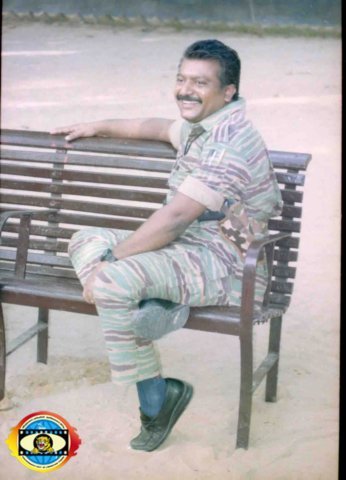
 Pirapahran as Guevera -Pic by Tekwani
Young Pirapaharan and his wife– BBC pic
This abbreviated bibliography is incomplete and is directed towards (a) informing us about the role of the talaivar in the light of new evidence provided by Bavinck, Ganeshan Iyer, Rāgavan and Tekwani; and (b) providing background for the discussion of Tamil Tigress. One must, of course, also visit the UTHR web site. Michael Roberts.
 Courtesy of Colombo Telegraph
 
Ambalavanar, Arun 2011 “the farce of a Fake Tigress,”  http://www.srilankaguardian.org/2011/08/farce-of-fake-tigress.html
Bavinck, Ben 2011a “Val Daniel’s Introduction of Ben Bavinck and Ben’s Diary over the Years of Conflict in Lanka,” http://thuppahis.com/2011/09/11/val-daniels-introduction-of-ben-bavinck-and-bens-dairy-over-the-years-of-conflict-in-lanka Continue reading

3 Comments

Filed under accountability, Eelam, historical interpretation, Hitler, Indian Ocean politics, life stories, LTTE, military strategy, politIcal discourse, power politics, prabhakaran, propaganda, Rajiv Gandhi, Sinhala-Tamil Relations, Tamil Tiger fighters, truth as casualty of war, unusual people, world events & processes

Velupillai Pirapaharan’s Q and A with Anita Pratap on 8 April 1990 at Mullaitivu

Courtesy of the TIME magazine

 Pirapaharan in Indian plane in 1987

Q: What made you confront India?
A: India claimed to have intervened in Sri Lanka to secure Tamil interests. In actual fact, India came to secure its own interests. There was never any genuine attempt to understand and solve our problems. India deliberately aggravated Sri Lanka’s ethnic crisis. It destabilized Sri Lanka [by training and arming Tamil militants, including the Tigers] so that it could play a dominant role in bringing Sri Lanka within its sphere of influence.

What I can’t forgive is the way India claimed to have intervened to protect the Tamils and then launched this war against our people. On the third day after the war started, I sent an appeal to India to stop the attack because of the civilian casualties. But India mistook it as a sign of weakness and pressed ahead with the offensive, thinking they could crush us.

Continue reading

Leave a comment

Filed under authoritarian regimes, indian armed forces, Indian Ocean politics, life stories, LTTE, patriotism, politIcal discourse, power politics, prabhakaran, Rajiv Gandhi, Sinhala-Tamil Relations, Tamil Tiger fighters, world events & processes

When the saints come marching in

Ramesh Thakur,** courtesy of the Canberra Times, 12 November 2011

Two recent events have brought home some ugly truths. A Sri Lankan-origin Australian tried (unsuccessfully) to lay charges against the President of Sri Lanka, visiting Perth to attend the Commonwealth summit, for alleged war crimes during the final weeks of the war against the Tamil Tigers. Meanwhile, another former head of state has been buried in an unmarked grave in the Libyan desert. Muammar Gaddafi and one of his sons were captured, wounded but alive, and executed on the spot. A shocked and outraged “international community” is demanding a full and credible investigation, just as it did with charges of war crimes by the victorious Sri Lankan armed forces.

It is hard to know how much of this self-righteousness reflects the innocence of “inner-city elites” about the realities of war, and how much is double standards bordering on racism. With due deference to English philosopher Thomas Hobbes, war is always nasty and brutish, but not always short. The Sri Lankan civil war was very, very ugly. Spread over 26 years in a unique fusion of ethnic-religious cleavage, insurgency, terrorism and secession, it claimed 80,000 people. Continue reading

3 Comments

Filed under accountability, atrocities, historical interpretation, LTTE, politIcal discourse, power sharing, Rajapaksa regime, Rajiv Gandhi, Sinhala-Tamil Relations, suicide bombing, Tamil Tiger fighters, truth as casualty of war, world events & processes

Pirapāharan as uncompromising killer prone to vengeance: testimonies from the Jaffna heartland, 1989-91

Ben Bavinck diary entries

See Val Daniel’s Introduction to the first volume of the diaries as well as the other items that are now apart of the thuppahi series which extract themes from the methodical commentary embodied in Bavinck’s diaries as he worked so wholeheartedly to alleviate hardships among Tamil, Muslim and Sinhalese peoples throughout the island in these war years. Also note the recent article by Narayan Swamy entitled “Prabhakaran: From catapult killer to ruthless insurgent” in M. R. Narayan Swamy, The Tigers vanquished. LTTE’s story, Delhi, SAGE Publications, 2010, pp. 165-167, which meshes with the evaluations presented by the Jaffna Tamils who interacted with Bavinck  and whose readings are recorded here. However, note that these may well have been minority voices in the body of Tamil people at that time. A tough nut to crack that question: namely, how many and which proportion of the Jaffnese held similar sentiments to the body of dissidents known as the UTHR and their circle? Web Editor.

Pic by S. Walpola

5th January 1989, Jaffna: At the beginning of 1988, a group called University Teachers for Human Rights (Jaffna) 28 was formed. Until that time nobody had dared to say anything against the Tigers except Rajan Hoole, another lecturer. But now people became more audacious. They also more and more had to intercede for Jaffna students, who had been arrested. All this had led to the founding of UTHR (J). UTHR (J) continues to collect facts about violations of human rights and to issue reports. Those are sent to the unions of the national universities. Now a book has been published by four members of the UTHR (J) i.e. by Rajani herself, Rajan Hoole, K. Sritharan and Daya Somasunderam. It deals with the war in 1987 and is called “The Broken Palmyrah”. Continue reading

18 Comments

Filed under Fascism, historical interpretation, life stories, LTTE, power politics, Rajiv Gandhi, Sinhala-Tamil Relations, Tamil Tiger fighters, war crimes, women in ethnic conflcits

LTTE consumed Rajiv … and, NOW, drama in court and off court

P. Krishnaswamy, in The Sunday Oberver, 11 September 2011

The family of the victims killed along with the former Indian Prime Minister Rajiv Gandhi demanded that Murugan, Santhan and Perarivalan should be hanged, the Indian Express reported. The latest demand came after the clemency plea for the three death row convicts in the Rajiv Gandhi assassination case grew louder. The family of victims, joined by a large numbers of Indian Congress workers, sat on a day-long fast opposing the clemency for the three convicts. Former Union Minister EVKS Elangovan and other Congress leaders also participated in the fast.

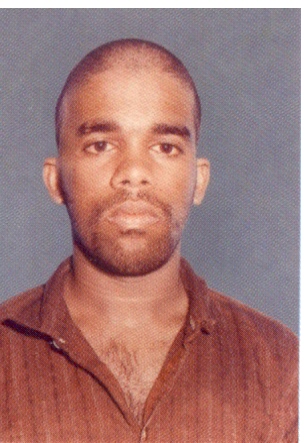
Murugan

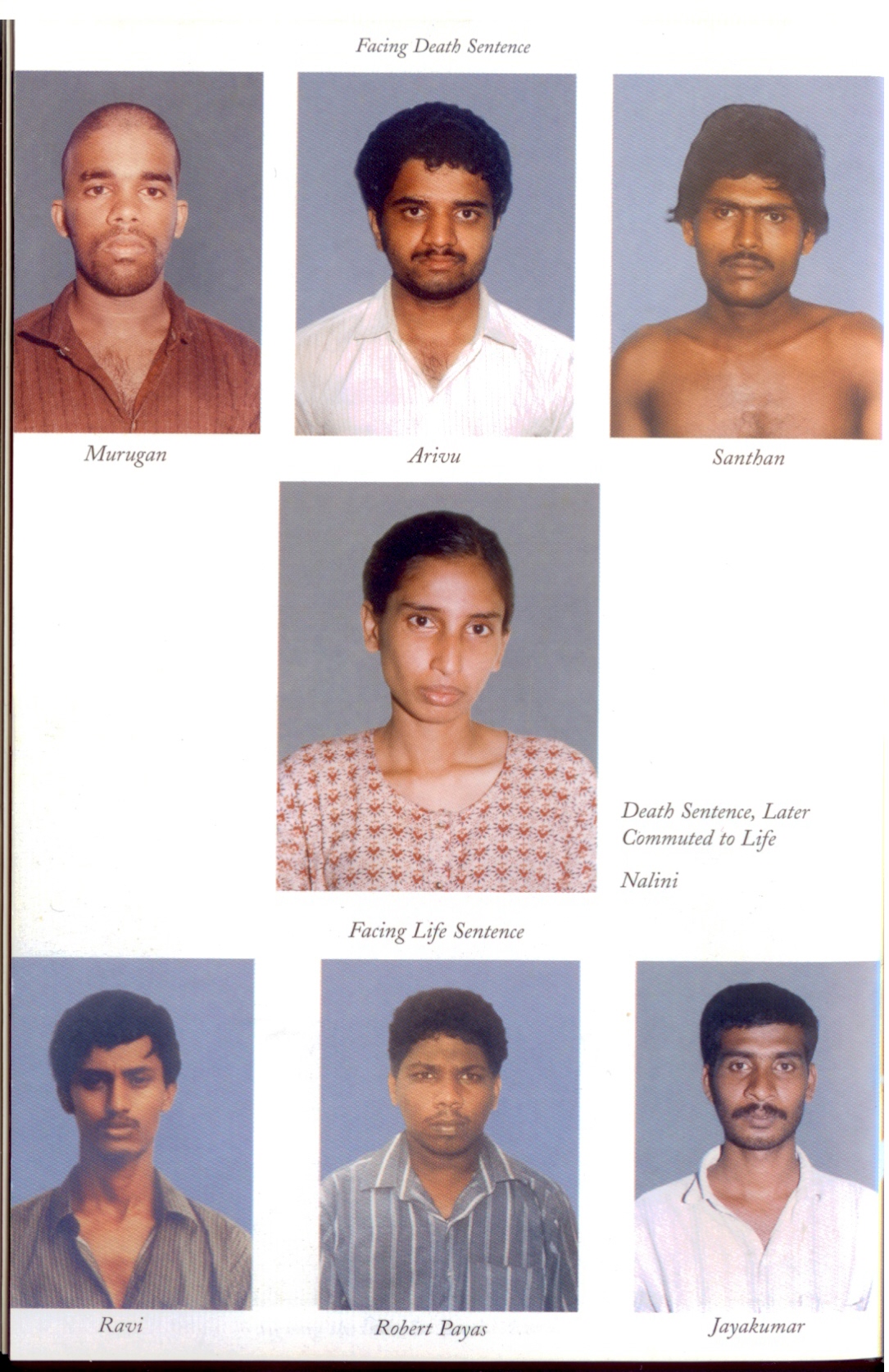
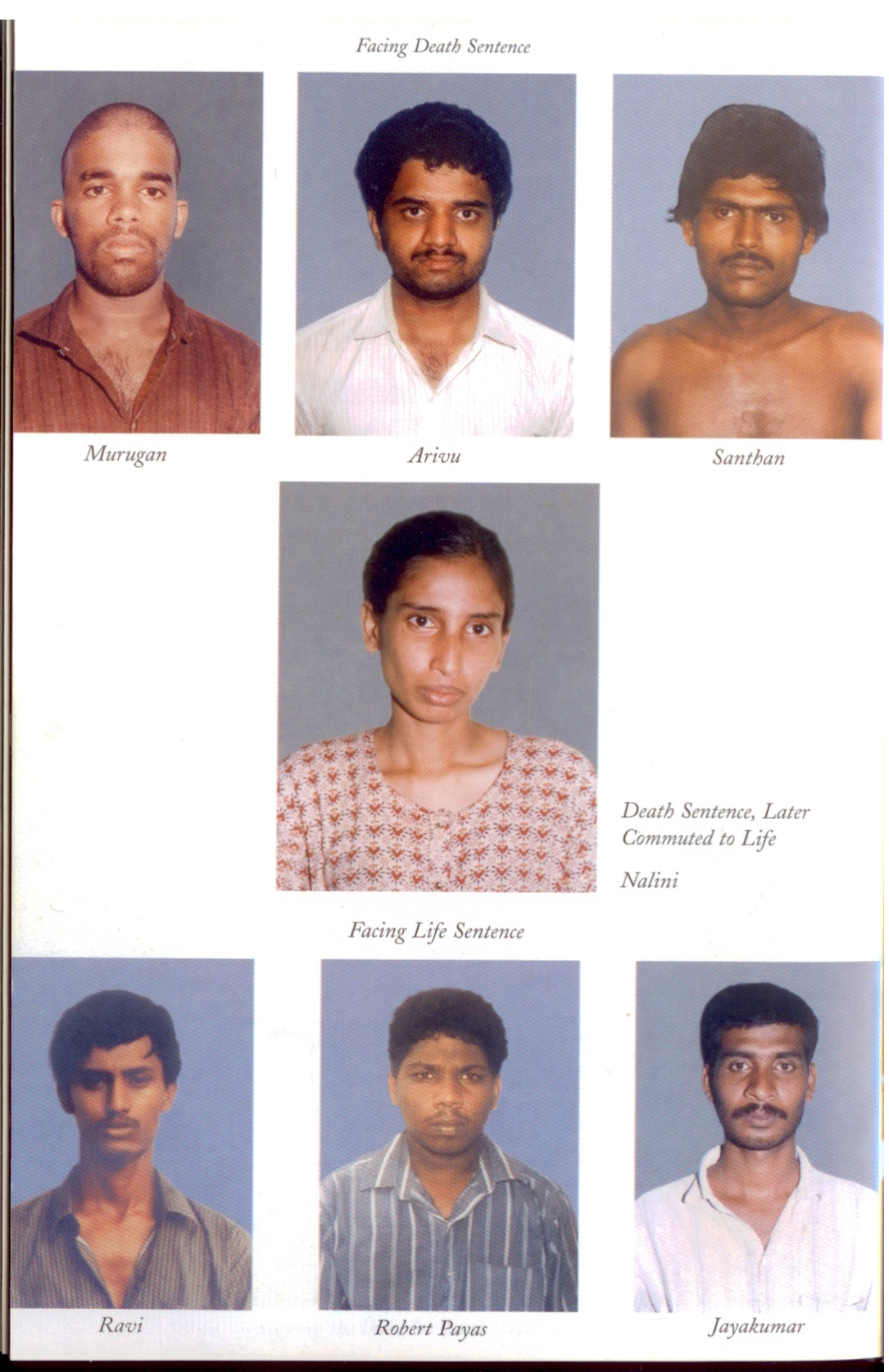
Seven underlings —Pics from Kaarthikeyen D.R. and R. Raju The Rajiv Gandhi Assassination. The Investigation,   Slough: New Dawn Press Inc. 2004

The Tamil Nadu Assembly on August 30 had passed a “unanimous” resolution requesting the President to reconsider and commute the death sentence awarded to the three convicts. The Madras High Court, too, on the same day stayed the execution of the accused for eight weeks, which was earlier scheduled for Friday. The three are currently lodged in Vellore Jail, according to the Indian Express report.

Early days: Steel-helmeted, stern looking security men, with machine-guns at the ready, were guarding the Colombo High Court premises at Bullers Road (later named Bauddhaloka Mawatha), with some of them positioned even at distant rooftops, when the trial-at-bar inquiry on the “Neerveli Murder and Robbery’” came up for hearing before High Court Judge C.L.T. Moonamale from the first week of January 1983. Tamil Eelam Liberation Organisation (TELO) leaders Kuttimani, Thangavel alias Thangathurai, Sivasubramaniam Sellathurai alias Thevan, Sivapathan Master and Nadesuthasan were the accused in the case. That probably was the first case against terrorism and terrorists tried under the Prevention of Terrorism Act (PTA) in a Sri Lankan Court. Senior police and army officers, finger-print experts and government analysts were summoned as prosecution witnesses during the Court proceedings. A tense situation emerged every time the heavily-guarded accused who were in detention under the PTA were brought to the Court and taken back in a prison bus. What also unfolded in the Court was that the accused, hailing from Velvettithurai, the birthplace of Velupillai Prabhakaran, were professional smugglers.  

Sivarasan and Dhanu wait for the kill


The Gandhi family in mourning vigil 

Subha (reserve suicide bomber) and Nalini pictured in crowd

Continue reading

1 Comment

Filed under accountability, historical interpretation, Indian Ocean politics, liberation tigers of tamil eelam, life stories, LTTE, political demonstrations, Rajiv Gandhi, suicide bombing, world events & processes

Forbidden Fruits? Niromi de Soyza under Scrutiny

Michael Robertscourtesy of www.groundviews.org, where the article appeared earlier  under a slightly different title

The literary world is now poised on the brink wondering if the Tamil Tigress (Allen & Unwin, 2011) is going to join Forbidden Love (Random House, 2003) and The Hand that signed the Paper (Allen and Unwin, 2000) in the house of literary infamy. Has the Tamil lady who uses the nom de plume Niromi de Soyza[1] woven an autobiographical tale of lies that match those coined by Norma Toliopoulos and Helen Darville who wrote their memoirs as Norma Kouri and Helen Demidenko?

When Kouri’s book was challenged by the Jordanian National Commission for Women on the ground that it contained 70 exaggerations and errors, Random House Australia indicated that “they were satisfied with the veracity of the story, [though] names and places had been changed to protect the identities of those involved.”[2] Their defense did not hold up for long as Malcolm Knox spearheaded the media questioning in Australia. Random House pulled the book from the shelf [3] – but that was after the first run of this memoir had sold over 200,000 copies in Australia alone and after “enthusiastic Australians voted it among their favorite 100 books of all time.”[4]

Pirapāharan, Ambassador Dixit and Major-General Harkirat Singh, Commander of the IPKF in a relaxed mood after a conference on 26 Sept. 1987 and before a split developed and the LTTE went to war with the IPKF — Pic from Sachi Sri Kantha, “Prabhakaran and the LTTE”

 When Demidenko’s manuscript was submitted to the Universityof Queensland Pressin 1993, they had rejected it,[5] but The Hand That Signed the Paper appeared in print under the masthead of Allen and Unwin in 1994. It is said that the Allen & Unwin editorial staff believed that it was essentially autobiographical, though they persuaded the author to alter the family’s name in the book to “Kovalenko.”[6] The book won the Vogel Award for a first novel in 1994, which was followed in 1995 by the most prestigious literary prize inAustralia, the Miles Franklin Award, as well as the Gold Medal of the Association for the Study of Australian Literature. When it was subsequently discovered that Demidenko had no Ukrainian background, a literary storm erupted. This furore was further exacerbated by Darville’s continued evasions as well as her manifest anti-Semitic prejudices.

    The issue facing us today, therefore, is whether Tamil Tigress is going to join such ‘august shelves’ in some attic that contains Forbidden Love and The Hand that signed the Paper. The latter books are placed within the context of serious issues, honour killing in Continue reading

1 Comment

Filed under asylum-seekers, australian media, authoritarian regimes, cultural transmission, Eelam, gordon weiss, historical interpretation, indian armed forces, life stories, LTTE, martyrdom, military strategy, news fabrication, prabhakaran, Rajapaksa regime, Rajiv Gandhi, reconciliation, Sinhala-Tamil Relations, Tamil civilians, Tamil migration, Tamil Tiger fighters, terrorism, truth as casualty of war, world events & processes

Three LTTE cadres to be hanged on Sept 9 for Rajiv killing

Courtesy of the Sunday Times, Friday, 26 August 2011, with the  images being part of the web editor’s collection
 
Seven of the conspirators as in the book by Kaarthikeyen & Raju 
 
Three LTTE members convicted in connection with the 1991 assassination of former Indian Prime Minister Rajiv Gandhi are to be hanged on September 9, the BBC quoted prison officials as saying. The BBC report said they would be hanged in the early hours of the morning, an official at the prison in Tamil Nadu said. The move comes after India’s president rejected mercy pleas from the men known as Murugan, Santhan and Perarivalan.
The killing of Rajiv Gandhi by a Tamil Tiger suicide bomber shocked India. All three of the condemned men were members of Sri Lanka’s Tamil Tigers militant group and were convicted of plotting the assassination. Murugan and Santhan are from Sri Lanka and Perarivalan is an Indian Tamil. In 2006, the Tamil Tigers expressed “regret” for the murder. The Supreme Court in 1999 confirmed the death sentences of the three men, but commuted capital punishment to life imprisonment for Nalini Sriharan, an Indian Tamil woman married to Murugan who was also convicted in connection with the assassination. “The three convicts are personally informed today that they will be hanged,” Mr Pugazendhi, a lawyer representing the three men, told the BBC Tamil service. He said they had expected the chief minister of Tamil Nadu state to make a personal intervention. “As there is no sign regarding political intervention, we are exploring other legal options,” he said. The mother of Perarivalan also told BBC Tamil that he denied the charges and said that she believed the judgement was based on a forced confession.
 Sivarasan and Dhanu wait for the kill
 
The death penalty is rare in India. The last execution was in 2004 when a 41-year-old former security guard was hanged for the rape and murder of a 14-year-old schoolgirl.                                                             
 Dhanu approaches Gandhi — a moment before the fatal strike
 
 
 Dhanu as maaveerar

1 Comment

Filed under life stories, LTTE, Rajiv Gandhi, Sinhala-Tamil Relations, suicide bombing, Tamil Tiger fighters, terrorism, world events & processes