

Shamindra Ferdinando, in Island, 29 May 2011
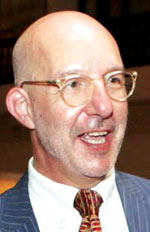
Danziger was speaking after the last week’s IOM’s 60th anniversary celebrations. Danziger revealed that as at May 16, 2011, 1,730 ex-LTTE personnel had received individual assistance, through the ICRC project.
On the invitation of the government of the Government of Sri Lanka, the IOM has so far profiled about 6,800 ex-LTTE personnel. Danziger said that it was an ongoing project conducted with the blessings of the government. He said: “As of today, more than 6726 former LTTE cadres have been profiled by IOM. Each beneficiary receives individual support following their release from the government’s rehabilitation facilities. They can apply for a small grant to set up a business, find employment, start formal education or be engaged in apprenticeships and on-the-job training schemes. Similarly, through the ICRS referral mechanism, beneficiaries are put in contact with job vacancies, vocational training opportunities and some of the specialist services that they may need to access such as health, psycho-social and legal support. As at 16 May 2011, 1,730 former combatants have been given individual assistance through the ICRS mechanism.”
Danziger said that USAID, theNetherlandsand theUnited Kingdomhad provided funds for the programme. According to him, the IOM worked very closely with the Commissioner General of Rehabilitation to meet the challenging task of post-war rehabilitation of the combatants.At the conclusion of the war, the Sri Lankan military held as many as 11,700 LTTE cadres taken on the Vanni front, whereas there were several hundred held on detention orders over the years.
Danziger said that the IOM would help reintegrate the remaining ex-combatants with the support of Commissioner General of Rehabilitation. “This year, with new funding, IOM is looking at initiating community development projects targeting the areas where ex-LTTE personnel have returned. In addition, IOM has planned to carry out a series of workshops in the area of reconciliation to facilitate the ongoing reintegration process,” the IOM chief said.
Commenting on the challenges faced by the ongoing project, Danziger said: “One major challenge is the relative absence of information on the ICRS programme at ground level in the Northern andEasternProvinces. This is an issue the IOM and the Commissioner General of Rehabilitation are trying to address. The remote locations where some of the ICRS clients (read as ex-LTTE personnel) live is also a factor that can limit the speedy delivery of ICRS support. Finally, in spite of generous support received by the current donors, there remain funding constraints which, unless addressed, will limit our ability to provide support to all former LTTE cadres.”
****************************