

Dr. Chamila S. Talagala ... with highlighting imposed by The Editor, Thuppahi
For some time now, I have been recording my thoughts on matters that I have encountered along the way. But I have also felt that, perhaps, it is time to record something more personal, some of my own experiences. Whether they will be of interest to anyone who happens to read them, if indeed anyone does, I leave to the reader.
This is about a place that occupies a rather special corner of my life, my alma mater, Ananda College, Colombo.
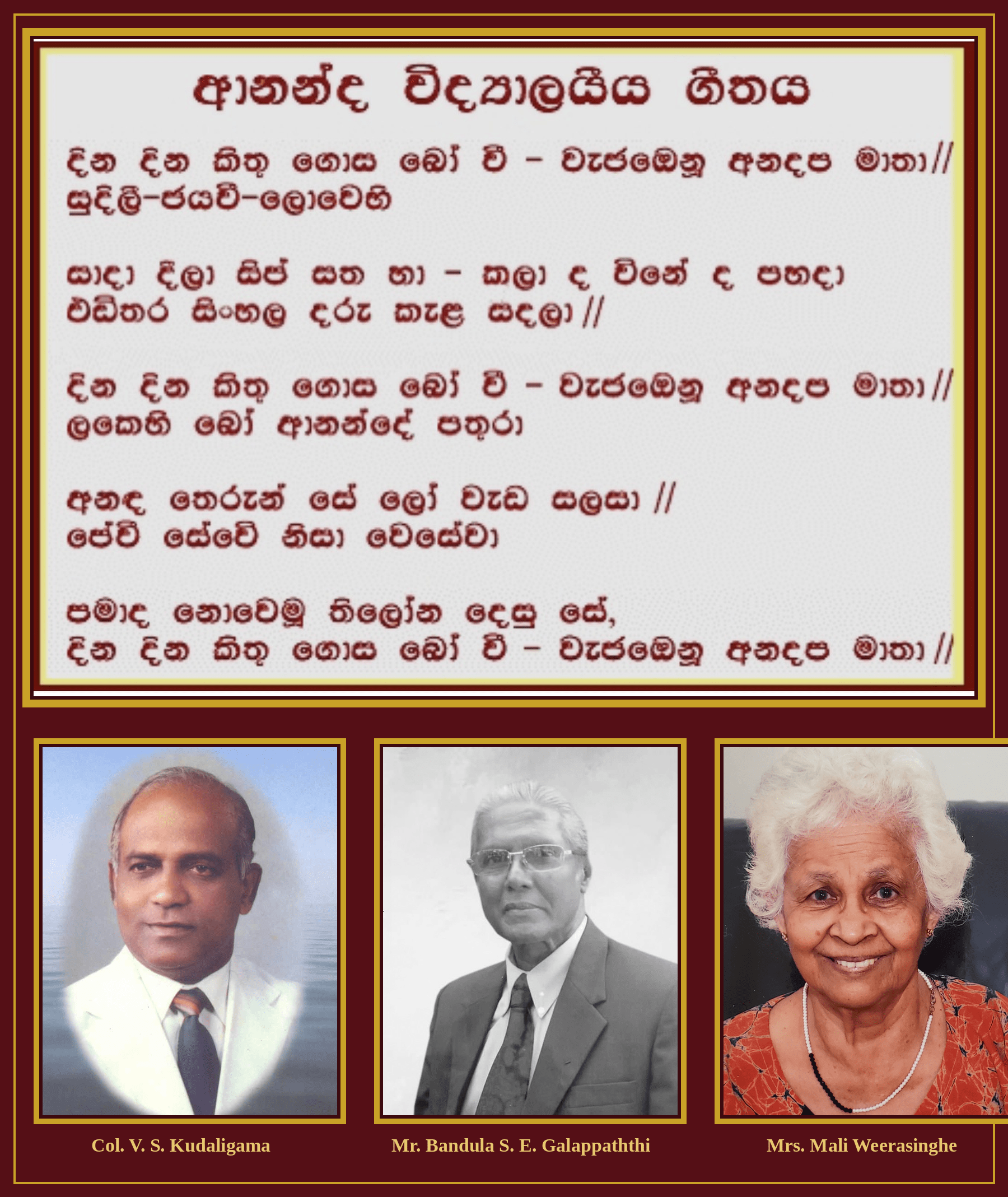

I was among the 90 children who entered the first primary batch when the Primary Section was re-established in 1986, after having been discontinued 16 years earlier. We were divided into three classes of 30: Pink, Blue and Green. I was in Year 1 Pink.
There was something particularly significant about that year in the history of the College. Ananda was completing its first 100 years, and the reopening of the Primary Section formed part of a new chapter in the life of an institution that had already completed a century of its own. In a sense, we were among the youngest children entering a College that was celebrating its 100th year.
Our class teacher was Ms. Mali Weerasinghe. She would later become the Principal of the Primary Section of Ananda College. Even at that young age, I sensed something rather special about her. She was kind, competent and deeply committed to her pupils, a true teacher, and in many ways a model of what a teacher ought to be.
Looking back, there was something quite remarkable about being part of that first batch. We were not merely joining an established tradition; we were, in a small way, becoming part of a new chapter in the history of the College.
The Primary Section had been re-established in 1986 following a proposal by the College administration which, after considerable deliberation, was accepted by the Ministry of Education. The Principal at the time was Colonel V. S. Kudaligama, who had assumed office in January 1982 and under whose leadership the College’s centenary celebrations were held.
But among all the things I remember from those early days, one particular incident has remained with me far more vividly than the dates, names and institutional history. It was during our very first week at school. The Deputy Principal, Mr. Bandula S. E. Galappaththi, came to address us. We were little boys, just beginning our lives as Anandians, and I doubt whether many of us could have fully appreciated the significance of what he was about to tell us.
He spoke of a woman named Mary Amma, who, during the British colonial period, had sold fish from a basket in Armour Street. He told us that when the College was being established, she had contributed 35 cents towards its creation.
Then came the lesson. He told us, in Sinhala:
“ඉංග්රීසි අධිරාජ්යවාදී කාලේ මේ විද්යාලය හදනකොට ආමර් වීදියේ කූඩයක මාළු විකුණපු මේරි අම්මත් සත 35ක් ආධාර කරලා තියෙනවා.
ඒ හින්දා ඔය පුතාලා හොඳට මතක තියාගන්න මේ විද්යාලය මේ හැමෝටම අයිතියි.
ඔය පුතාලා අද මේ විද්යාලයේ ඉගෙන ගන්නේ ඒ මේරි අම්මගේ සත 35 හේ ආධාරයේ පිටිවහලත් එක්ක.
එනිසා සමාජයේ කිසි කෙනෙක් වෙනස් කරලා සලකන්න එපා. සලරව කියනවා නම් ලොකු පොඩි කම් තියාගන්න එපා.”
I was perhaps too young then to understand the full meaning of those words. But somehow, they stayed with me. Thinking about it now, I sometimes wonder whether that was not the first lesson in equality I ever received.
Years later, at law school, I would encounter equality as a constitutional and jurisprudential principle, expressed in the language of rights, non-discrimination and equal protection. I would learn that equality is not merely the proposition that everyone should be treated identically. In its deeper sense, it concerns the equal worth and dignity of human beings, and the rejection of distinctions that have no legitimate basis.
But, strangely enough, the lesson I received from Mr. Galappaththi has remained more powerful in my mind than many of the formal propositions I subsequently encountered in lecture halls. Because he did not teach us equality as an abstract legal principle. He gave it a face.
It was the face of Mary Amma, a woman selling fish from a basket in Armour Street, whose 35 cents had become part of the story of our College.And he taught us something even more profound: that belonging to a great institution does not give one the right to look down upon another human being. If anything, the greatness of an institution ought to make one more conscious of the dignity of those who may have little in the eyes of society.
That lesson also carried another idea that I have come to appreciate much more with age: that Ananda was not simply a place to which those who happened to study there belonged. It was an institution built, in some measure, by the contributions of people from across society. Its history therefore belonged not merely to its students, teachers or benefactors, but to the wider community.
Perhaps that is why those words have remained with me for so many years. I have forgotten many of the lessons I was taught in the classroom during those early days. I have forgotten the details of many of my schoolbooks and even some of the things I was told to memorise.
But I have never forgotten the 35 cents. And I have never forgotten what I was told those 35 cents meant. That, perhaps, was one of my earliest lessons in what it means to be an Anandian.
&&&&&&&&&&&&&&&&&&&&&&